5th grade students in a classroom holding water cycle experiment bags during a science lesson

the standard for educational quality

start enrollment
VIDEO
play
overview of our campus
THE CHARTER SCHOOl OF EXCELLENCE

Community of Learning

The core values of honesty, respect, tolerance, fairness, self-discipline, integrity, responsibility, citizenship, work ethic, and trust is the foundation upon which our school is built. Our vision is to create a community of learning where all students are respected, encouraged, and challenged to reach their fullest potential.

Our Vision

The vision of the Charter School of Excellence is to create a community of learning where all students are respected, encouraged, and challenged to reach their fullest potential.

Our Mission

The mission of the Charter School of Excellence is for each child to develop a love of learning through exposure to a diverse, core knowledge of content that will enhance their ability to succeed at a level of excellence in their secondary education.

Our Focus

The success of the Charter School of Excellence can be attributed to a combination of a superior instructional staff, an advanced curriculum, a supportive Board of Directors, and a demand for strong parental and community involvement. We believe each employee contributes directly to CSE's growth and success, and we hope you will take pride in being a member of our staff.

learn more aBout our school
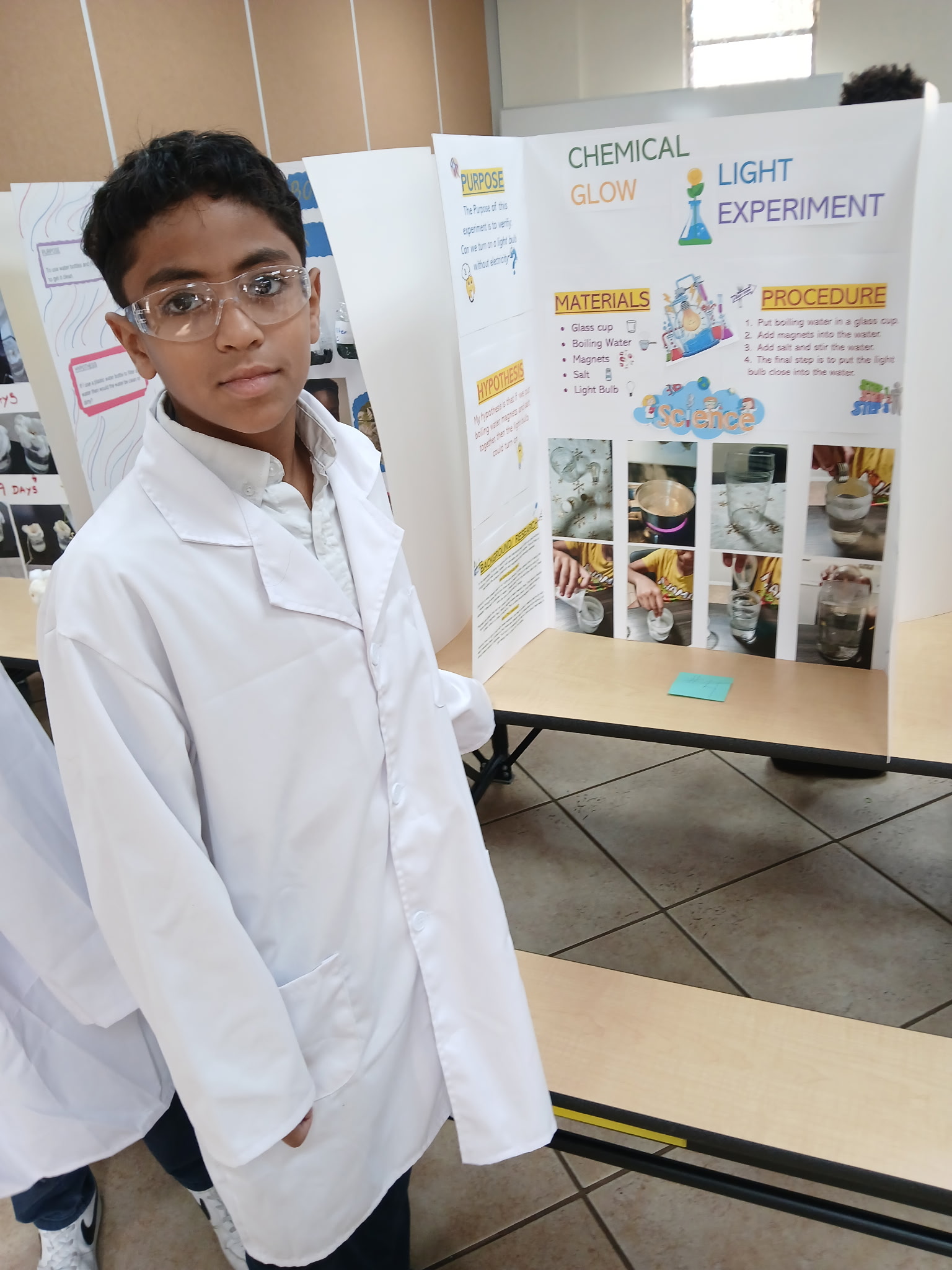
Student displaying project at the 5th Grade Science Fair
Egyptian Field Trip, 5th Grade exploring what life was like many years ago
PROGRAM HIGHLIGHTS

Building Future Leaders

We are a tuition-free, public charter school that offers students in grades K-5 the chance to excel academically and personally. Our school provides an outstanding academic curriculum, character education and individual attention to each student. Our school is accredited through AdvancED.

Our program is highlighted by a Business and Entrepreneurship focus that gives students the opportunity to meet members of the business community and learn how different businesses are operated. They also participate in activities through the Junior Achievement age-appropriate curriculum. This curriculum gives students of all ages the chance to learn about money-management, taxes, decision-making and how money flows in our economy.

Upcoming Events

Mark your calendar for these The Charter School of Excellence events.

No items found.

News & Announcements

News and updates from The Charter School of Excellence.
Why Character Education Is Important for Your Child

Quick Summary

Character education helps children build the values and habits they rely on throughout life. It teaches honesty, responsibility, respect, and self-discipline through daily experiences at home and school. These qualities shape how children make decisions, build relationships, and respond to challenges. Understanding why character education is important helps parents recognize that long-term success depends on more than academic achievement.

Every parent wants their child to succeed, but grades alone do not guarantee a happy life. The question of why character education is important arises because children need more than academic knowledge to thrive. Good character shapes how children treat others and handle problems, and this foundation affects every part of their lives.

At The Charter School of Excellence, we build this foundation through every lesson and interaction. Our approach to family resources supports parents in this important work.

Our students practice honesty, kindness, and hard work from the first day of school. We create an environment where good character grows naturally through daily routines and meaningful activities. Our campus life reflects these values in every classroom and hallway.

Character Shapes How Children See Themselves

Children build their identity through the choices they make every day. Telling the truth, keeping promises, and taking responsibility help them develop confidence based on their actions rather than praise alone. Each positive decision reinforces the belief that they are trustworthy and capable of doing the right thing.

Children with strong character are less likely to depend on approval from others to feel confident. They understand that kindness, persistence, and responsibility reflect who they are. This mindset helps them resist peer pressure, recover from setbacks, and make thoughtful decisions even in difficult situations.

Good Character Builds Strong Friendships

Healthy friendships depend on trust, respect, and empathy. Children who develop these qualities communicate more effectively, resolve disagreements calmly, and treat others fairly. They become dependable friends because they listen, cooperate, and keep their commitments.

Character education also improves the overall school environment. Students learn to solve conflicts without insults or aggression. They understand the value of apologizing when they make mistakes and forgiving others when conflicts happen. These habits create stronger friendships and more positive classrooms.

Character Education Improves Academic Performance

Character development strengthens many of the habits that contribute to academic success. Self-discipline helps students stay focused, complete assignments, and manage their time effectively. Responsibility encourages them to prepare for class and take ownership of their work, while honesty reinforces academic integrity.

Students with strong character also participate more confidently in class. They ask questions, respect different opinions, and continue working through difficult subjects instead of giving up. These habits create consistent progress and stronger learning outcomes over time.

Children Learn to Make Good Choices

Children make decisions every day, from choosing friends to responding to difficult situations. Character education gives them a clear set of values that helps them evaluate their choices before acting. They become more likely to consider honesty, fairness, and responsibility instead of reacting impulsively.

Good decision-making develops through repeated practice. Children benefit from discussing real situations with trusted adults and seeing positive examples around them. Schools that emphasize character create opportunities for students to reflect on their actions and understand how their choices affect others.

Character Prepares Children for Future Careers

Success in the workplace depends on much more than technical ability or academic qualifications. Employers look for people who can be trusted, work well with others, communicate professionally, and take responsibility for their actions. Integrity, reliability, teamwork, and accountability often influence hiring decisions, promotions, and long-term career growth because these qualities contribute to a productive and respectful work environment.

Character education helps children develop these workplace habits long before they enter the workforce. Learning to keep commitments, respect different perspectives, solve problems responsibly, and admit mistakes builds skills they will use throughout their careers.

These qualities remain valuable across every profession and industry. This makes this another clear example of why character education is important for lifelong personal and professional success.

Families Grow Stronger Through Character Education

Strong family relationships are built on shared values, mutual respect, and honest communication. Parents who emphasize character help create a home where children understand the importance of responsibility, kindness, and accountability.

As children practice these values in everyday situations, they develop stronger relationships with siblings, parents, and other family members. These positive habits encourage trust and create a more supportive home environment.

Character education also creates consistency between home and school. When teachers reinforce the same values that parents encourage, children receive clear expectations about how to treat others and make responsible decisions.

This partnership helps children apply positive behaviors in different settings. Therefore, character development is a natural part of everyday life while strengthening family relationships over the long term.

FAQs

How does character education affect my child's academic success?

Character education improves academic success by teaching self-discipline, responsibility, and perseverance. These skills help children focus, complete work, and overcome learning challenges more effectively.

When should parents begin teaching character to their children?

Parents should begin teaching character from the earliest years of childhood. Young children absorb lessons about honesty, kindness, and respect through daily interactions with family.

Can character education prevent bullying in schools?

Character education prevents bullying by teaching children to respect others and stand up against cruelty. Students learn empathy and courage, which reduces bullying incidents significantly.

Join The Charter School of Excellence and Build Your Child's Future

Your child deserves an education that builds both mind and character for lasting success. At The Charter School of Excellence, we create scholars who lead with integrity and achieve their dreams. Our public charter school offers free transportation, extended care, and a bully-free environment for every student.

We believe every child can become a leader through our advanced curriculum and character education programs. Contact us today to learn how your child can join our community of learners. Your child's future begins here at The Charter School of Excellence, a charter school in Florida that builds scholars and creates leaders.

The Importance Of Celebrating Student Success To Encourage Growth

Quick Summary

Recognizing student success builds confidence, strengthens motivation, and encourages children to continue learning. Celebrating effort alongside achievement teaches students that consistent hard work leads to meaningful progress. Understanding the importance of celebrating student success helps parents and educators create an environment where children feel valued for their growth, not just their grades. Positive recognition also strengthens classroom relationships and inspires students to set higher goals.

A simple word of praise can change a child's entire day and their outlook on school.

Recognizing hard work shows students that their effort matters more than the final score, which is a core part of the importance of celebrating student success. Parents can find helpful tools to support this at home through our family resources, which offer easy ways to encourage daily learning.

At The Charter School of Excellence, we place this recognition at the heart of our teaching. We see the magic that happens when a student feels proud of their work. Our approach builds a culture of achievement that supports every learner from the first day.

See how our campus life fosters this positive atmosphere for all students.

Recognition Fuels a Student’s Inner Drive

Positive recognition motivates students to keep challenging themselves.

When teachers or parents acknowledge a child's effort, improvement, or achievement, students begin to connect hard work with positive outcomes. That sense of accomplishment encourages them to approach future assignments with greater confidence and determination instead of focusing only on grades.

Over time, external encouragement develops into internal motivation. Students begin setting personal goals because they value learning and enjoy seeing their own progress. This lasting motivation demonstrates the importance of celebrating student success beyond a single assignment or school year.

Small Wins Build a Foundation for Big Achievements

Every accomplishment, no matter how small, contributes to a student's long-term growth. Completing a challenging assignment, improving a reading score, mastering a new math concept, or participating more confidently in class gives students clear evidence that consistent effort leads to measurable progress.

These everyday victories build confidence, strengthen resilience, and encourage children to keep working toward larger academic and personal goals with a positive attitude.

Recognizing these milestones also teaches students that success rarely happens all at once. Significant achievements develop through steady improvement, persistence, repeated practice, and a willingness to keep learning from mistakes.

A Positive School Culture Grows from Shared Joy

Schools become stronger communities when student accomplishments are recognized and celebrated. Students feel encouraged when classmates' hard work, improvement, positive behavior, and personal growth receive meaningful recognition. Celebrating different types of success reminds students that every individual's progress matters, regardless of their starting point or academic ability.

This creates a welcoming atmosphere where success inspires others instead of creating unnecessary competition. Students become more willing to encourage one another, celebrate shared accomplishments, and contribute positively to the classroom environment.

Recognizing achievements also strengthens relationships throughout the school. Students, teachers, and families become more connected through shared moments of pride and encouragement.

A culture that values progress helps every child feel included, respected, motivated, and confident enough to continue learning while contributing positively to the entire school community.

Confidence in the Classroom Translates to Life Skills

Confidence developed through academic success often extends well beyond the classroom. Students who believe in their abilities become more willing to participate in discussions, try new activities, and pursue leadership opportunities. Positive classroom experiences encourage children to approach unfamiliar situations with greater confidence.

As confidence grows, students become more resilient when facing challenges in school and everyday life. They are more willing to solve problems independently, communicate with others, and recover from setbacks.

Feedback Becomes a Tool for Future Growth

Recognition has the greatest impact when it includes clear, specific feedback.

Instead of simply saying "good job," teachers can explain exactly what the student did well, such as organizing ideas clearly, solving a difficult problem, or showing persistence during a challenging task. This detailed guidance helps students understand which behaviors lead to success.

Constructive recognition also gives students practical direction for future improvement. They learn which skills to continue developing while gaining confidence in their ability to grow. The importance of celebrating student success becomes even greater when praise includes meaningful feedback that encourages continuous learning.

Parental Involvement Amplifies the Message of Success

When parents join the school in praising their child, the message of their worth becomes twice as powerful. A simple note home or a phone call about a good grade can change the atmosphere at the dinner table.

Parents who engage with their child’s achievements foster a stronger bond and a respect for education. This partnership between home and school creates an environment where children feel completely supported.

FAQs

How Often Should I Praise My Student for Their Work?

Praise students daily for specific actions rather than general behavior. Frequent recognition of small efforts keeps motivation high. This regular feedback helps students stay focused.

What If My Student Fails Despite Working Hard?

Celebrate the hard work even when the results are disappointing. Praise the effort and discuss what can be learned for next time. This approach teaches resilience.

Can Too Much Praise Have Negative Effects?

Insincere or general praise can reduce its positive power for children. Teachers should focus on specific, earned comments rather than empty compliments. Meaningful praise is always better.

Your Future Begins with Recognition and Care

Take the first step toward a brighter educational path for your child today. At The Charter School of Excellence, we celebrate every step of your child's growth and learning journey. We invite you to join our public charter school where achievement is seen and praised every single day.

Our caring teachers know how to find the good in every student. We offer a safe place for your child to learn, grow, and feel proud. We believe every student deserves to feel successful.

Consider our charter school in Florida and schedule a visit to see our classrooms and meet our team.

How Can You Motivate Students To Love Learning?

Quick Summary

Motivating students starts with making learning meaningful and engaging. Children stay interested when lessons connect to their everyday lives, include hands-on experiences, and encourage curiosity. Giving students choices, celebrating progress, and creating a classroom where questions and mistakes are welcomed helps build lasting confidence. Understanding “How can you motivate students?” begins with creating an environment where learning feels valuable, enjoyable, and rewarding.

Every child begins with a natural curiosity about the world, but that enthusiasm can fade when learning feels repetitive or disconnected from real life.

“How can you motivate students?” The answer starts with understanding their interests, encouraging active participation, and creating a classroom where students feel comfortable asking questions and taking risks.

When students see purpose in their work, motivation grows. To support this journey, we suggest you check out our family resources for extra help at home.

At The Charter School of Excellence, we build this culture every day. We believe that passion for learning comes from a caring community. Our teachers work hard to make each lesson meaningful, so students want to participate. We invite you to see our vibrant campus life in action.

Praising Effort Over Innate Ability

Recognizing effort instead of natural talent helps children develop a healthier attitude toward learning.

Saying "you worked hard" instead of "you are smart" teaches students that success comes from persistence and dedication. They begin to understand that challenges are part of the learning process rather than evidence that they cannot succeed. This perspective builds resilience and encourages children to take on more difficult tasks with confidence.

Focusing on effort also helps students see mistakes as opportunities to improve instead of reasons to give up. They learn that abilities grow through practice, patience, and consistent effort. Teachers and parents play an important role by recognizing progress, determination, and problem-solving rather than only celebrating high grades. Over time, this approach builds confident learners who are willing to face new challenges.

Making Learning a Collaborative Experience

Learning becomes more engaging when students work together toward shared goals. Group discussions, collaborative projects, and classroom activities encourage children to exchange ideas, solve problems, and learn from different perspectives.

Working with classmates also strengthens communication skills and creates a stronger sense of belonging within the classroom community.

Collaborative learning benefits every student involved. Children often explain ideas in ways that make difficult concepts easier for classmates to understand. Teaching others also strengthens the understanding of the student sharing the information.

Instead of focusing only on individual achievement, students learn that cooperation and shared success are valuable parts of education.

Connecting Schoolwork to Future Goals

Students become more motivated when they understand how today's lessons connect to tomorrow's opportunities.

Many children already have dreams about future careers or personal goals. Showing how subjects like math, science, reading, and writing relate to those ambitions gives classroom learning greater purpose. A future engineer, artist, teacher, or entrepreneur all rely on skills developed throughout school.

Teachers can strengthen these connections by inviting guest speakers, sharing real-life examples, or discussing how different careers use classroom knowledge every day. Parents can reinforce the message by explaining how reading, communication, and problem-solving help them in their own work. These conversations remind students that education prepares them for future success instead of simply helping them complete assignments.

Using Variety to Keep Lessons Fresh

Students stay engaged when learning experiences change regularly. While routines create structure, introducing different teaching methods keeps students interested and curious.

Videos, classroom discussions, educational games, guest speakers, outdoor activities, and interactive projects bring new energy to lessons. Each change in format encourages students to stay focused and actively participate.

Using different learning activities also helps address a wide range of learning preferences. Some students excel during hands-on experiments, while others perform better through independent reading or creative projects. Rotating between teaching methods gives every child opportunities to learn in ways that match their strengths while continuing to develop new skills.

Fostering Intrinsic Motivation Through Mastery

One of the strongest forms of motivation comes from the satisfaction of mastering a new skill. Students who experience steady progress become motivated by their own achievements rather than external rewards. Teachers can build this confidence by dividing complex concepts into manageable steps, giving students opportunities to experience success throughout the learning process.

Giving students opportunities to revise assignments or retake assessments reinforces the idea that learning continues beyond a single grade. Instead of viewing mistakes as permanent failures, students recognize that improvement comes through practice and reflection.

This growing confidence encourages them to tackle increasingly difficult challenges. It also demonstrates “How can you motivate students?” through meaningful progress instead of relying only on rewards.

Turning Mistakes Into Learning Opportunities

Students learn more effectively when mistakes are treated as valuable parts of the learning process rather than something to fear.

Teachers who openly discuss their own mistakes help normalize setbacks and create a classroom where students feel comfortable trying new ideas. This positive environment encourages participation because students understand that mistakes are expected while learning.

Discussing errors helps students strengthen critical thinking and problem-solving skills. Instead of focusing only on the incorrect answer, they learn to examine what happened and identify better approaches. This reflection builds persistence, confidence, and independence. Students who view mistakes as opportunities continue asking questions, exploring new ideas, and developing stronger learning habits throughout their education.

FAQs

What if my child only learns for external rewards?

If your child only learns for stickers or treats, it is important to slowly shift the focus. Start by praising the effort they made to earn the reward. Talk about how good it feels inside to solve a problem all by themselves. Over time, they will begin to value the feeling of learning itself.

How does a safe classroom help with motivation?

A safe classroom is essential because fear shuts down the learning part of the brain. When students are not afraid to be wrong, they take more risks and ask more questions. This leads to deeper learning and a more active classroom culture. Safety creates the freedom needed for true intellectual exploration.

What is the easiest way for a parent to help at home?

The easiest way is to show genuine interest in what your child is learning at school. Ask them open-ended questions about their day and their lessons. Read the same book they are reading and have a conversation about it. This involvement sends a clear message that their education is valuable.

Ready to Unlock Your Child's Full Learning Potential Today

Your child is capable of incredible things when they find the right environment. At The Charter School of Excellence, we build that environment every single day through passion and care.

We invite you to visit our public charter school and see the excitement for yourself. We offer a unique combination of extended care, strong academics, and a safe campus as a premier charter school in Florida. This is more than just a school; it is a community where your child's future begins right now. Join us today.

14 Fun Activities For Character Education In Charter Schools

Quick Summary

Character education helps students develop the values and habits they need to make thoughtful decisions throughout life. The most effective activities for character education encourage students to practice respect, empathy, responsibility, and integrity through meaningful experiences. Service projects, storytelling, role-playing, reflection, and daily classroom routines help students turn positive values into everyday behaviors at school and at home.

Charter schools offer a unique chance to shape student character alongside academic skills. Building a respectful community takes more than good rules; it needs daily practice. 

Effective activities for character education help students grow into kind and responsible people. These habits also strengthen the connection between school and home. We encourage families to explore our family resources to support this important work at home.

The Charter School of Excellence builds character through every interaction. Our approach combines clear values with hands-on learning. We believe a strong character is the foundation for a successful future. 

We focus on creating a safe and nurturing environment where every student can thrive. Our commitment to character helps students become leaders, both in school and in life. Check out our vibrant campus life to see our community in action.

Implementing Service-Learning Projects for Student Growth

Community service gives students meaningful opportunities to practice responsibility while helping others. Service-learning projects connect classroom learning with real community needs, helping students understand how their actions make a positive difference. Activities such as organizing food drives, cleaning local parks, or collecting supplies for families encourage compassion and civic responsibility.

Students also develop teamwork, communication, and problem-solving skills while participating in community service. These experiences help them recognize that even small actions can positively impact others. This makes service-learning one of the most meaningful activities for character education.

Using Story-Based Lessons to Teach Core Virtues

Stories help students explore honesty, courage, kindness, and perseverance in ways they can easily understand. Teachers select books where characters face difficult decisions and discuss the choices they make throughout the story. Students analyze the consequences of different actions and consider how they would respond in similar situations.

These classroom conversations encourage thoughtful discussion without placing students in uncomfortable situations. 

Creating Character Passport Activities for Student Reflection

A character passport gives students a personal space to document their growth over time. Children record moments when they demonstrated responsibility, kindness, perseverance, or honesty through writing, drawing, or personal reflections. They can also set goals for improving specific character traits throughout the school year.

Regular reflection helps students recognize their own progress instead of focusing only on academic performance. 

Practicing Gratitude through Journaling and Writing Letters

Gratitude encourages students to recognize positive experiences and appreciate the people around them. 

Keeping a gratitude journal helps children reflect on meaningful moments throughout the week, while writing thank-you letters teaches them to express appreciation to classmates, teachers, staff, or family members.

Simple habits like these strengthen positive relationships throughout the school community. 

Developing Empathy through Persona-Building Exercises

Empathy grows when students practice seeing situations from another person's perspective. Teachers can encourage this through activities where students imagine themselves as historical figures, fictional characters, or individuals facing unfamiliar challenges. 

Thinking from another viewpoint helps children understand different emotions, experiences, and motivations.

These discussions encourage compassion and reduce misunderstandings among classmates. 

Integrating Social-Emotional Learning into Daily Advisory Time

Daily advisory periods create dedicated time for students to strengthen emotional awareness and interpersonal skills.

Teachers guide conversations about managing emotions, solving conflicts, setting goals, and building healthy friendships. Short reflection activities also help students develop self-awareness before academic instruction begins.

Consistent opportunities to discuss emotions and relationships help students feel connected to their classmates and teachers. 

Leading No-Place-for-Hate Initiatives to Combat Bullying

Every student deserves to learn in a school where they feel respected and safe. 

School-wide anti-bullying initiatives teach students how to recognize harmful behavior, respond appropriately, and stand up for others with confidence and respect. They also learn the importance of reporting concerns to trusted adults. 

Using Morning Meetings for Character Strength Focus

Morning meetings help students begin each day with a positive mindset and a stronger sense of community. 

Greeting one another, sharing experiences, and discussing a daily character strength create consistency while encouraging respectful communication. Students start the day feeling welcomed and connected.

Highlighting a specific character trait each morning also gives students a practical goal they can practice throughout the day. Over time, these routines help positive behaviors become everyday habits.

Organizing Peer Mentoring and Buddy System Programs

Peer mentoring gives older students opportunities to guide younger classmates while developing leadership skills. Buddy programs pair students from different grade levels for reading activities, classroom projects, or school events. 

Younger students gain confidence through positive relationships, while older students strengthen responsibility and communication.

These partnerships create meaningful connections throughout the school community. Students learn that leadership includes encouraging others.

Teaching Conflict Resolution through Role-Playing Scenarios

Role-playing gives students practical experience resolving disagreements before real conflicts occur. Teachers present everyday situations, and students work together to practice listening, communicating respectfully, and finding fair solutions. 

Practicing conflict resolution repeatedly helps students respond more thoughtfully during real situations. They become better prepared to manage disagreements calmly while respecting different perspectives.

Holding Weekly Assemblies to Celebrate Character Traits

School assemblies create meaningful opportunities to recognize students who demonstrate positive character. Teachers and school leaders celebrate acts of kindness, responsibility, perseverance, and leadership through awards, student presentations, or short stories that highlight positive examples from the school community.

Public recognition reinforces the importance of good character while inspiring other students to develop similar habits. 

Incorporating Character Discussions into Academic Lessons

Teachers can connect character to any subject like history or science. A history lesson can discuss whether a leader acted with integrity. A science project can be a chance to talk about working as a team. This method shows students that character is part of every part of life.

Engaging Families with Virtue-of-the-Week Communications

Character education works best when the school and family work together. We send home a letter each week with a new virtue to practice. The letter might include a story to read or a question to discuss at dinner. This helps families reinforce the same values we teach at school.

Developing Student Leadership through Ambassador Programs

Students build confidence by becoming school ambassadors. They might lead tours for new families or help at school events. These students practice public speaking and responsibility. This program gives students a real chance to lead and represent their school.

FAQs

How Do Charter Schools Integrate Character Education Daily?

We embed character education into every part of the school day through morning meetings, advisory time, and academic lessons. This consistent practice helps students internalize core values like respect and responsibility.

Why Are Service-Learning Projects Important for Students?

Service-learning projects teach students empathy and social responsibility. They connect classroom learning to real-world problems. These projects show students that they can have a positive impact on their community.

What Makes a Peer Mentoring Program Effective?

A peer mentoring program pairs older students with younger ones for guidance. This builds a supportive school culture and helps younger students feel safe. It also helps older students develop leadership and responsibility.

Take the Next Step with The Charter School of Excellence

Let us show you how a public charter school can build a strong future for your child. We offer a safe, bully-free campus where every student learns to lead. Our dedicated teachers use proven methods to develop character and academic success. 

We provide free before- and after-care, transportation, and a nurturing environment. Become part of a community that prepares students for high school and beyond. Learn why we are a top charter school in Florida and schedule a tour of our campus today. Your child's journey to leadership starts with us.

First Day Of School

The 2026-27 School Year Begins Monday, August 10, 2026.

School Life

Find out more about what makes The Charter School of Excellence special.